
Intergenerational transfers and updates of knowledge
Strengths, weaknesses, and changes through time ...

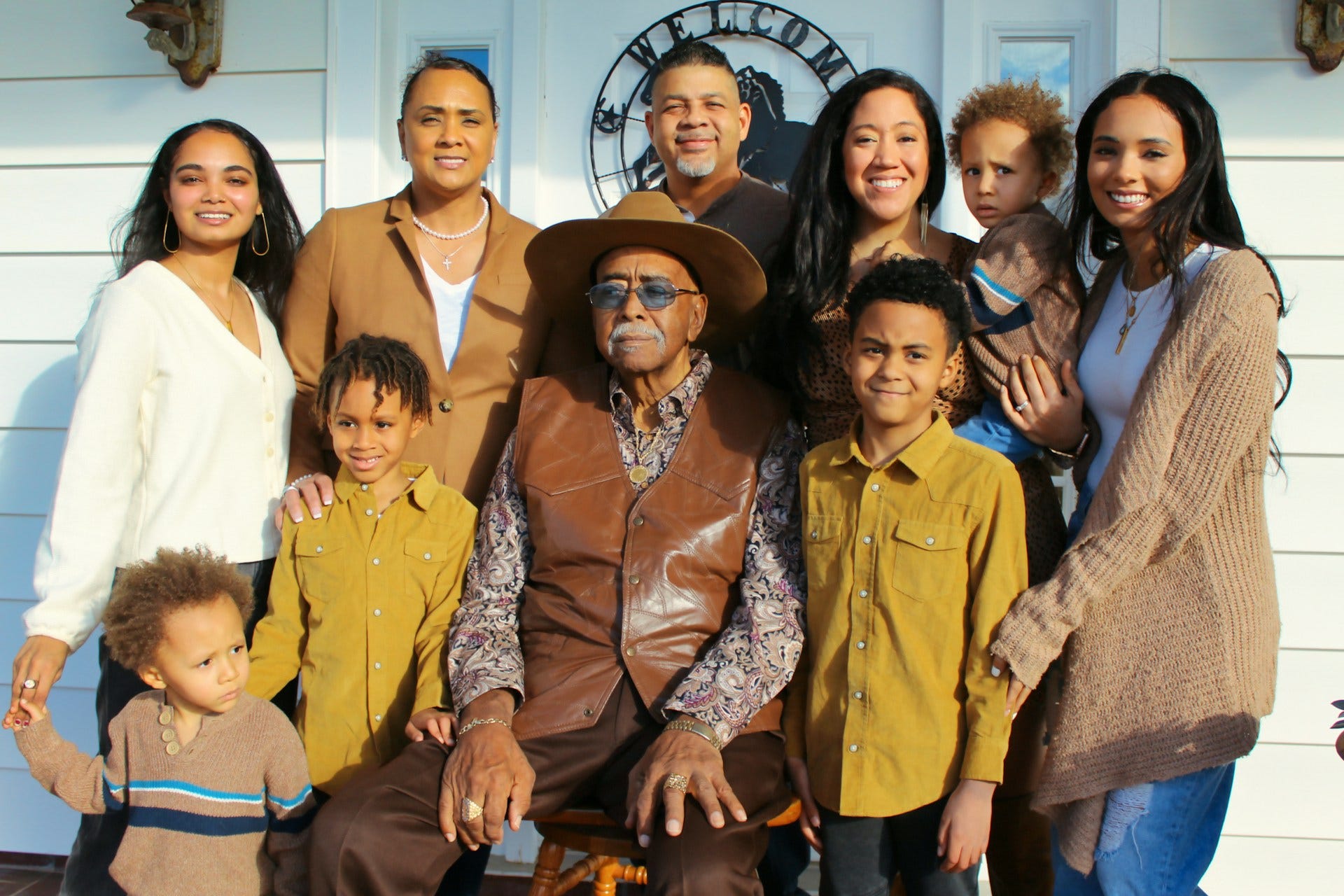
Photo by Rajiv Perera on Unsplash (people from several generations being together)
I have been re-watching the TV (now streaming) series “Babylon Five”, and, in particular, I noted the comments (in Season 4, Episode 6 “Into The Fire”) made by Lorien, the first and last of the First Ones (see https://babylon5.fandom.com/wiki/Lorien and https://babylon5.fandom.com/wiki/First_Ones), to the Shadows and Vorlons about letting go and moving on so the younger races can be independent, responsible adults.
What was said reminded me of comments I have written elsewhere, to the effect that I have noted that, whenever there is a major change of technology (e.g., the invention of the printing press, or PCs, or the Internet) or a major advancement of knowledge (such as advances in scientific knowledge, philosophy, and human rights/ethics), past knowledge needs to be re-presented in a way that
(a) addresses or accounts for additional knowledge (even if that is “only” to explain why it does not pertain to metaphysics), and
(b) is more comprehensible to the current generation (the changes in all languages with time is another example of that need - few English speakers alive today could read something written in Middle or Old English).
This not a trite reclaiming out of a sense of ... current fashions - or, at least, not ALL due to that, though some is (out of intergenerational irritation - often, IMO, triggered by us older lot being judgemental and grumpy), and some is due to ongoing problems common to ALL generations such as ego and/or greed. Some of the people I follow are engaged in exactly that sort of re-presenting - and they can be, when I am being impatient, frustrating, but ... given time, they do seem to largely sort out any problems/mistakes (and yes, young ones: you, as with us, are not infallible and CAN and DO sometimes make mistakes ... and, yes, sometimes we do know things you don’t).
A very important example of updating knowledge in response to learning is, IMO, the change in focus of the UFO/UAP/ET field from the focus on physical evidence (largely associated, in my experience, with older researchers / those with questionable associations with officialdom) to the importance of consciousness (often associated with younger researchers - but also experiencers of all ages who come to the realisation that this is what it is all about).
(Some people fit on both sides of this sort of situation.)
There is another aspect to this, which is the importance of older people recognising when it is time for them to move on, or move out of roles. This was examined brilliantly by the series “Archetypal Character Arcs: Transformative Stories for the Modern World” by the excellent YouTube channel “Betwixt: The Story of You” (which I mentioned in this blog post).
This does NOT mean the older generation stops doing, or is sidelined, or is shuffled off the scene, but it does lead to a possible change in how their (our 😊 ) work is done in order to be relevant / useful.
The following is from my lived experience presentation on older workers:
… “With respect to older workers, that continuum of age effects may also include:
What to do with acquired and still relevant knowledge (some knowledge will no longer be relevant, but knowing what has and hasn’t worked before sets important context for new developments);
Management of attitudes related to ageing, including:
Bias against older workers / lack of change (i.e., by having and acting out of a desire for exciting [aka new] things no matter their merit or lack of merit) / established or proven matters;
Bias of older workers against younger workers / change/ new matters;”
...
“However, older knowledge that could be potentially be of value (from the construction field) could be:
...
Trials that did not work. Successes tend to be recorded, but negative results are also important – especially if working on implementation of new processes (something technical periodicals for peer reviewed articles need to remember and include).”
…
“I have also heard people advocate for the knowledge of human behaviour/characteristics of older people, but I consider that is a misperception:
That comment tends to be based on human characteristics that the older person (or advocate) likes or is comfortable with, which may be characteristics that are no longer appropriate (e.g., the personal characteristics that enable being a horse whisperer, given that commercial use of horses is now extremely limited in most places … more commonly, I’ve come across such comments as a backlash to modern technology);
The ability to assess human characteristics tends to be a specific skill that is not dependent on age. Instead, factors such as the following may be more relevant:
Predisposition towards human sciences;
Lived experience that made the ability to assess people important – e.g., being a member of a minority group (or several);
Contact with people with formal training in counselling, etc – such as relatives, friends, or a work environment that included multiple skillsets.
However, what might be useful is knowledge of how to cope with the frustrations, setbacks, and demands of that profession (e.g., “how to flounder gracefully when you make a mistake in front of a client” [don’t lie or cover up; be aware that there are often two sets of emotions – one professional such as disappointment/annoyance at not having provided work to the desired standard, embarrassment, the other the fear most humans have of human aggression and fear about consequences for career, etc; be precise and realistic in any stated or inferred commitments – be as open as possible about phone calls etc to resolve the problem).”
...
“Recognising knowledge that can be useful is not always clearcut – especially if it was not mentioned in University qualifications.
This point applies to older workers as well, some of whom may have difficulty moving past a lifetime invested in a particular aspect/type/specialisation of work.”
…
All food for thought, perhaps.
If you wish to encourage or support me you can do so at PayPal or Ko-Fi – and such would be appreciated.